
Fire Protection Services in Houston
Certified fire safety experts serving businesses across Houston and surroundings.
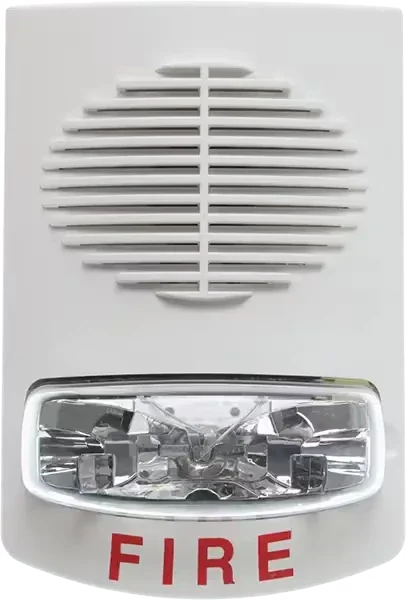
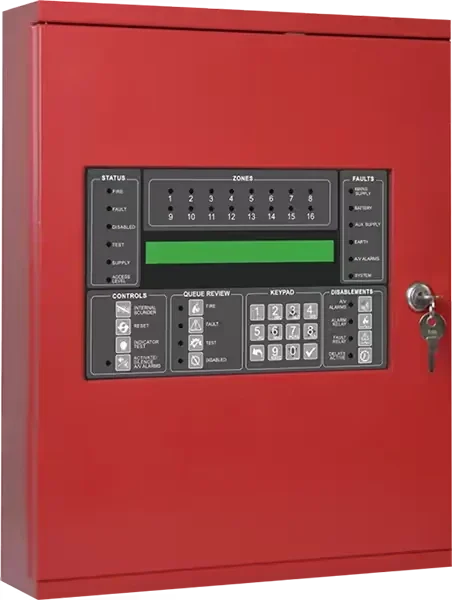
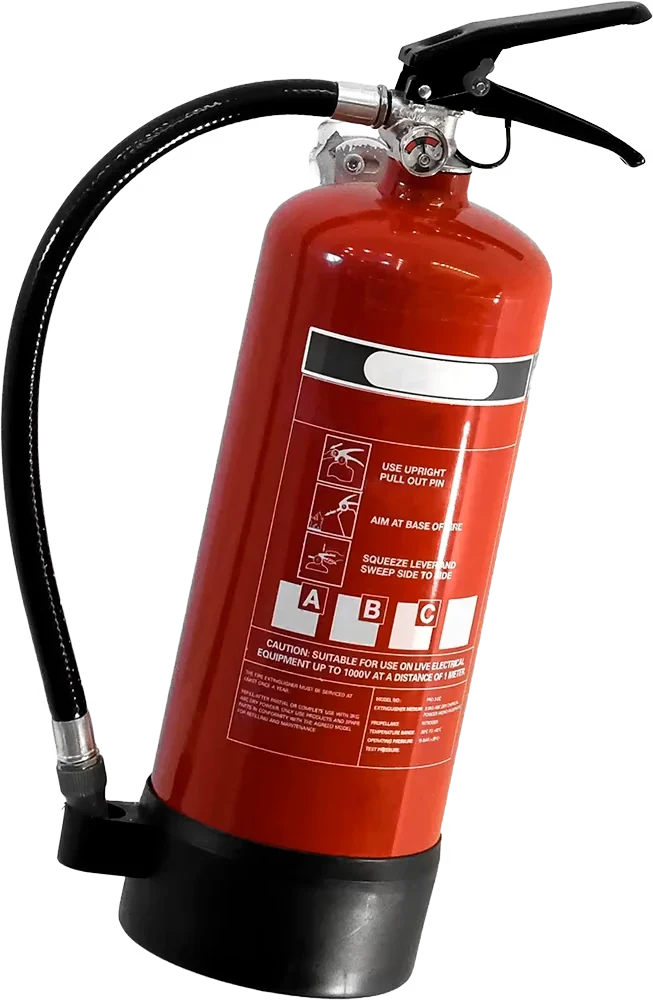
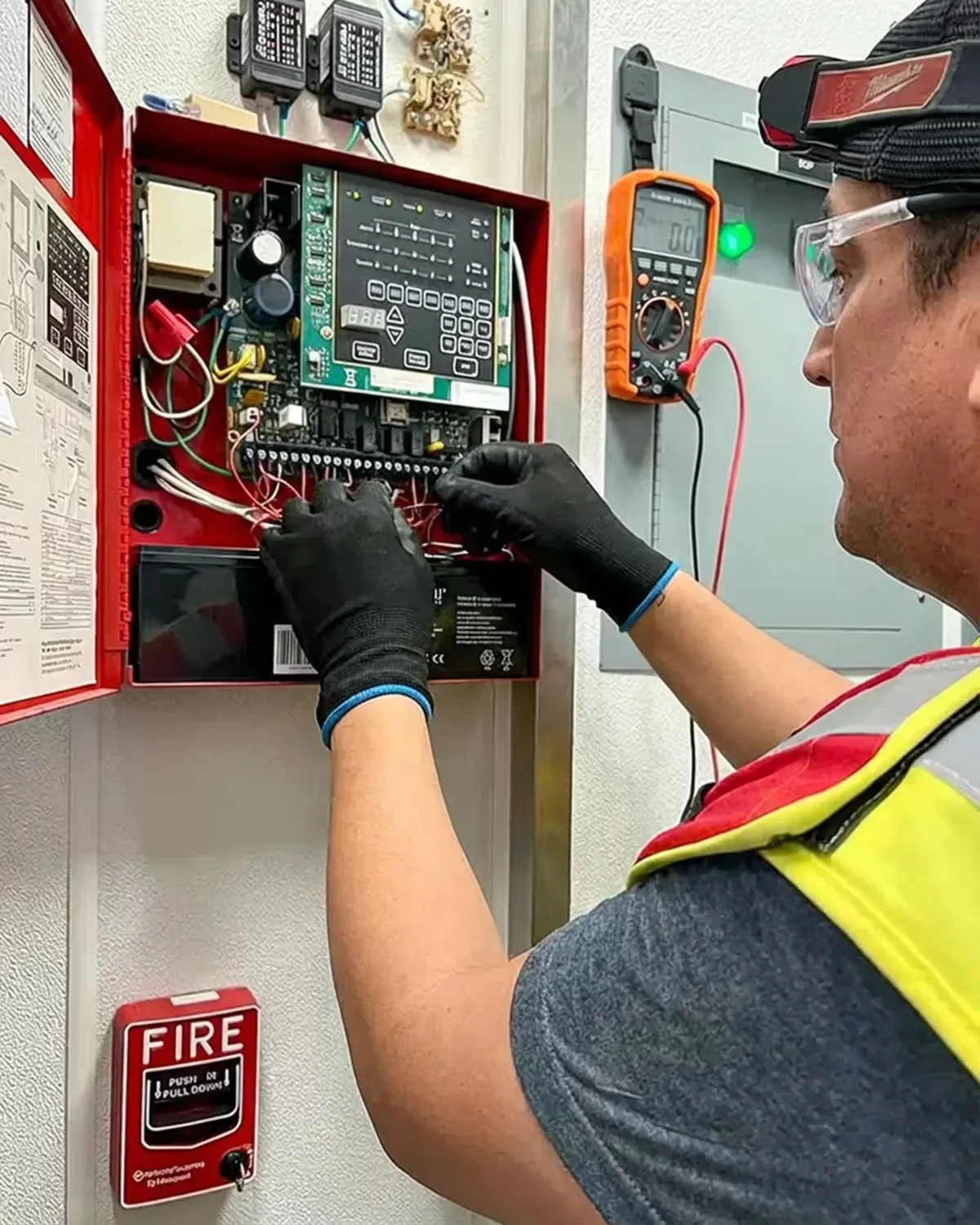
NFPA & Texas-Compliant Fire Protection You Can Trust
Extinmarc delivers end-to-end fire protection services across Houston, and major cities throughout Texas. From fire alarm systems to extinguisher inspection and 24/7 monitoring, we protect your people and property with fully certified, code-compliant solutions.
We’re licensed, insured, and trusted by property managers, healthcare groups, restaurants, and retailers. Our work meets or exceeds NFPA and local AHJ standards.
Fully licensed and accredited.



Fire Protection Services
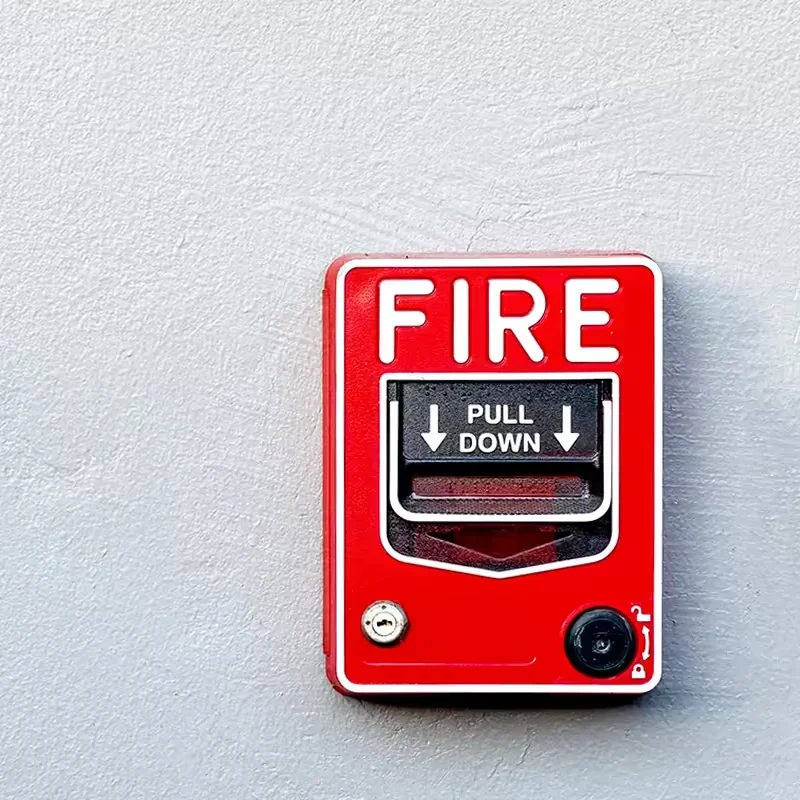
Fire Alarm Systems
Installation, inspection, monitoring & maintenance fire alarm systems for any property or business size.
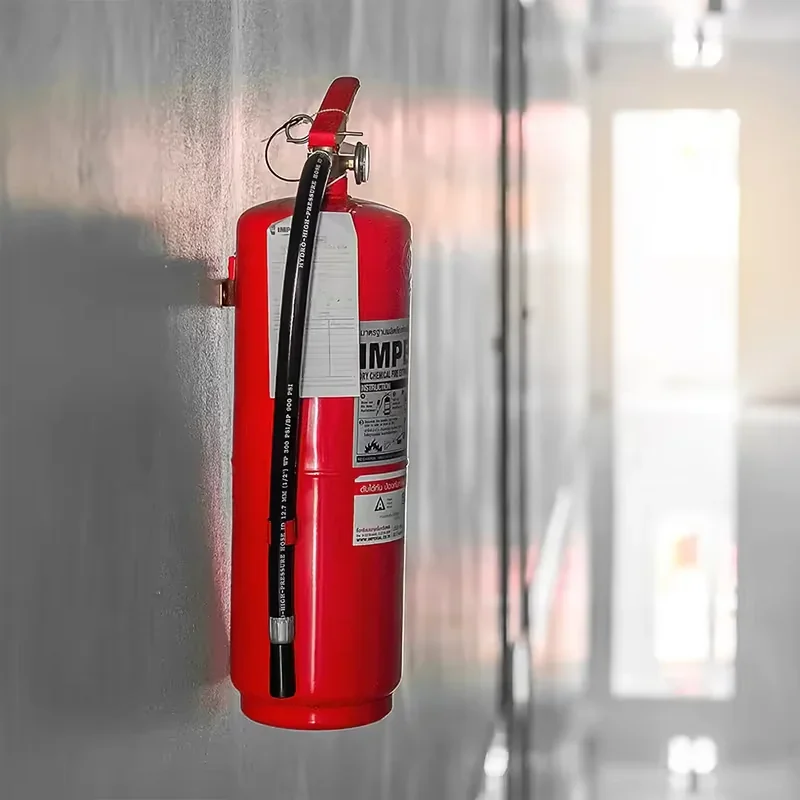
Fire Extinguishers Services
Installation, inspections, recharge, and annual maintenance for commercial extinguishers.
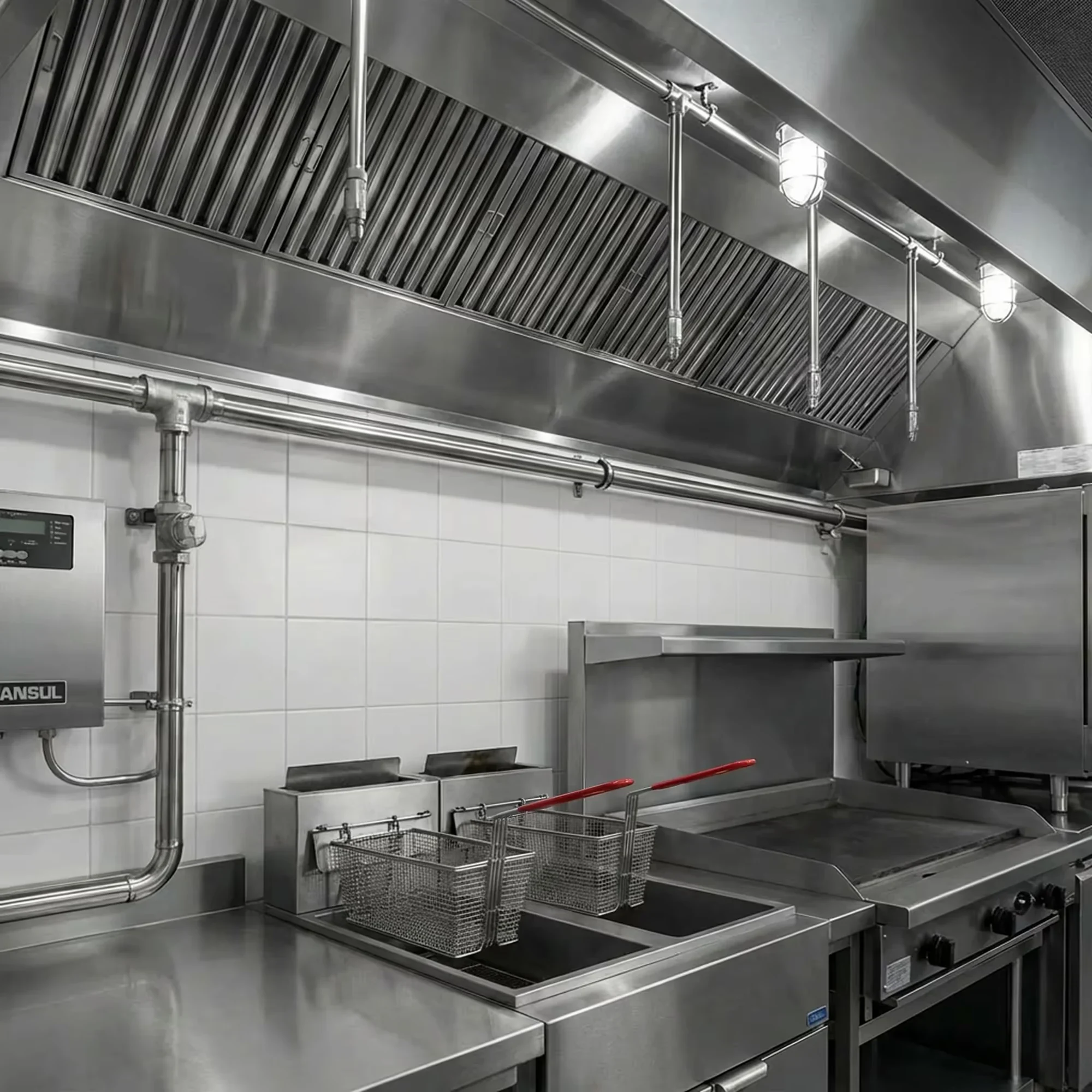
Fire Suppression Systems
Fire Suppression inspections for commercial kitchens, server rooms, and industrial facilities.
Full-Cycle Fire Protection

Installation
Code-compliant installs by trained professionals

Inspection
Annual and monthly NFPA inspections with digital reporting

Maintenance
Recharge, part replacement, and repairs

Monitoring
24/7 system alerts, remote monitoring & response
Frequently Asked Questions
What does my business need to meet fire safety requirements in Houston?
Start with your address, business activity and the approved use of the space. These determine which local authority and requirements apply. Review the required fire protection equipment, permits and occupancy approvals, then arrange the necessary inspections and maintenance.
Requirements within Houston can differ from those in unincorporated Harris County or another city. A service tag on one piece of equipment does not establish compliance for the whole business.
How should I prepare my business for a fire marshal inspection?
Gather the applicable permits, occupancy documents, recent equipment service reports and any previous inspection findings. Keep exits and access to fire protection equipment clear, and arrange access to the areas being inspected.
Review unresolved equipment issues with a qualified service provider before the visit. The fire marshal determines whether the premises meet the applicable inspection requirements.
How often do my fire protection systems need inspection and maintenance?
There is no single schedule for every system. Visual checks, functional tests and maintenance are different tasks. Extinguishers, fire alarms and kitchen suppression systems each have their own requirements.
Use a schedule based on the installed equipment, manufacturer instructions and applicable local rules. One annual visit may not cover every task your property needs.
Does a fire marshal inspection replace servicing my fire protection equipment?
No. A fire marshal inspection evaluates premises against the applicable fire and life safety requirements. Equipment inspection, testing and servicing are separate activities performed by appropriately qualified personnel.
Have the relevant service records available for the authority. Completing an equipment service does not replace any required official inspection, permit or occupancy approval.
What should I do if an inspection identifies fire protection deficiencies?
Use the written findings to identify the affected equipment and required corrections. Review the urgency with your qualified service provider and the local authority, complete the corrective work, and retain the repair and retest records.
If a system is impaired, promptly obtain direction on temporary protection and whether the affected operation may continue. Any required reinspection or approval is determined by the authority handling the finding.
What fire inspection reports and service records should my business keep?
Keep applicable permits and occupancy records, system installation and acceptance documents, inspection and test reports, service records, and evidence that reported deficiencies were corrected. Retain system plans and equipment instructions where applicable.
Required documents and retention periods differ by system and record type. Confirm the requirements with your service provider and local authority, and keep records accessible for future visits.